 Save
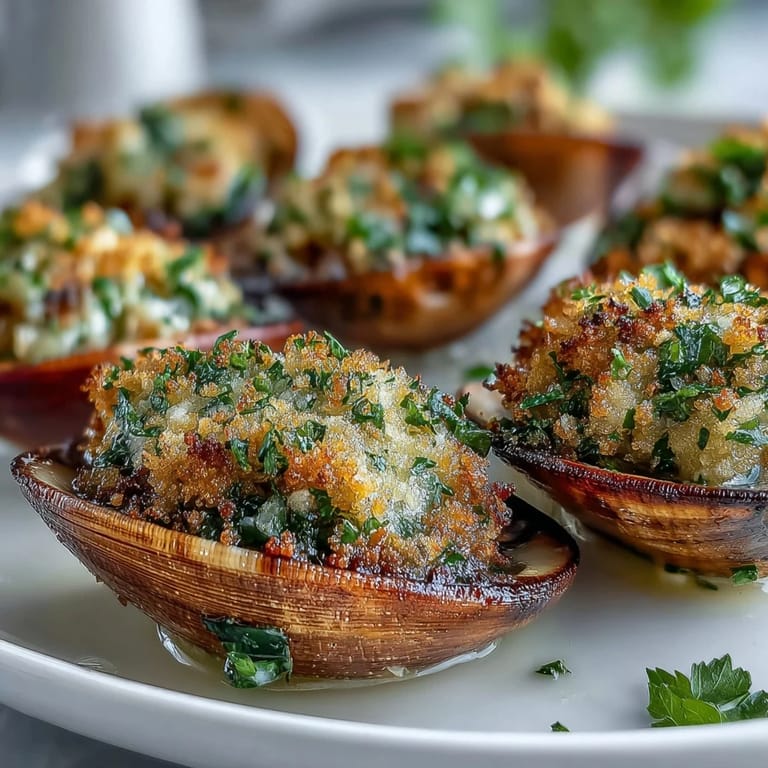
Save The smell of garlic hitting hot butter is what convinced me to try shucking clams at home. I'd always thought it was a restaurant-only task, something that required years of practice and a tolerance for sliced fingers. But one Sunday afternoon, armed with a dull butter knife and zero confidence, I wrestled open my first littleneck and realized the reward was worth the fumbling. The ocean-sweet meat, the splash of brine, the satisfaction of prying open something that fought back, it all made sense once I tasted that first roasted clam topped with crispy, lemony crumbs.
I made these for my neighbors the night they helped me move a couch up three flights of stairs. I figured beer and pizza were the default thank-you, but I wanted to surprise them. When I brought out a tray of these clams still crackling from the oven, the room went quiet for a second, then everyone dove in with their fingers. One of them said it tasted like vacation, and I think thats the best compliment food can get.
Ingredients
- Littleneck clams: Choose clams that feel heavy for their size and smell like clean seawater, not fishy or sour. If one stays open when you tap it, toss it, its already gone.
- Panko breadcrumbs: The Japanese style gives you that airy, crunchy texture that regular breadcrumbs just cant match, and they soak up the butter and oil without getting soggy.
- Unsalted butter: Melted butter binds the crumbs and adds richness, and using unsalted lets you control the seasoning since clams bring their own salt from the sea.
- Extra-virgin olive oil: A tablespoon mixed with the butter keeps the topping from feeling heavy and adds a fruity note that plays well with lemon.
- Garlic: Mince it fine so it disperses evenly and toasts gently in the oven without burning into bitter specks.
- Lemon zest: The zest is where all the bright, floral oil lives, scrape it directly into the panko and save the juice for squeezing over at the end.
- Fresh parsley: Chopped parsley adds color and a clean, grassy flavor that cuts through the richness and makes each bite feel lighter.
- Parmesan cheese: Optional but wonderful, it melts into the crumbs and adds a nutty, salty layer that deepens the whole topping.
- Kosher salt and black pepper: Season the topping lightly, the clams and Parmesan will bring plenty of salt on their own.
Tired of Takeout? 🥡
Get 10 meals you can make faster than delivery arrives. Seriously.
One email. No spam. Unsubscribe anytime.
Instructions
- Preheat and prep your baking sheet:
- Set your oven to 450°F and line a baking sheet with rock salt or crumpled foil to create little nests that hold each clam steady. This keeps them from tipping and spilling their precious juices all over the pan.
- Scrub the clams:
- Rinse them under cold running water, scrubbing off any sand or grit with a stiff brush. Tap any open ones against the counter, if they dont close up, they're not alive anymore and need to go straight into the trash.
- Shuck carefully:
- Slide a clam knife into the hinge, twist gently to pop it open, then run the blade along the inside of the top shell to cut the muscle. Loosen the clam from the bottom shell but leave it sitting in its own juice, that brine is flavor you dont want to lose.
- Mix the topping:
- In a bowl, toss together panko, melted butter, olive oil, minced garlic, lemon zest, parsley, Parmesan if using, salt, and pepper. Stir until every crumb is lightly coated and the mixture smells like sunshine and the sea.
- Top each clam:
- Spoon about a tablespoon of the panko mixture onto each clam, pressing it down gently so it mounds up and stays put. Dont be shy, you want a generous cap of crunch.
- Roast until golden:
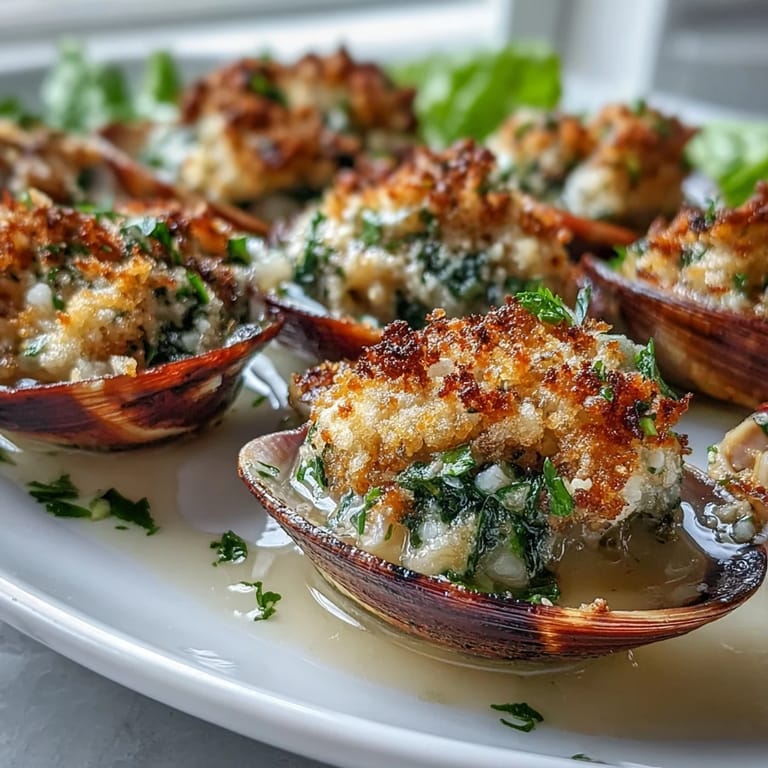
- Slide the baking sheet into the hot oven and roast for 10 to 12 minutes, watching for the panko to turn deep gold and the clam edges to curl just slightly. The smell will tell you when theyre ready, toasted garlic and butter with a hint of lemon.
- Serve hot:
- Transfer the clams to a platter, scatter extra parsley over the top, and tuck lemon wedges around the edges. Serve them while theyre still crackling, with napkins and cold white wine close by.
 Save
Save The first time I served these at a small dinner, someone asked if I'd studied in France. I laughed and said no, just a lot of trial and error in a tiny apartment kitchen. But I realized then that food has this way of making you look like you know what youre doing, even when youre mostly winging it. These clams became my secret weapon, the dish that makes people lean in and ask for the recipe.
Choosing and Storing Clams
Buy your clams the day you plan to cook them, or at most the day before, and keep them in the fridge loosely covered with a damp towel. Never seal them in plastic or submerge them in water, they need to breathe. If you press two clams together and hear a hollow sound instead of a solid knock, one of them is empty and should be discarded. Fresh clams smell like the ocean, clean and briny, anything sour or fishy means theyre past their prime.
Shucking Without Fear
The first clam is always the hardest, but by the third or fourth, youll find a rhythm. Hold the clam in a folded towel to protect your hand, insert the knife at the hinge, and twist gently, dont force it or youll snap the shell and scatter grit everywhere. Once it pops, slide the blade flat along the top shell to sever the muscle, then do the same on the bottom. The clam will release with a little sigh, and youll feel like a professional even if your counter is covered in shell fragments and seawater.
Serving and Pairing Ideas
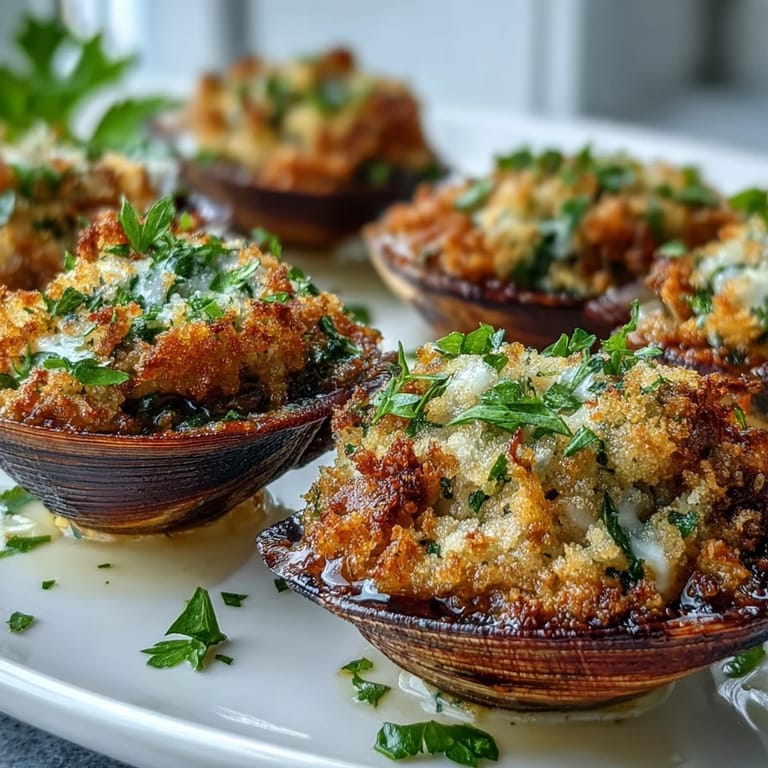
These clams shine as a passed appetizer at a party, but Ive also made a whole dinner out of them with a green salad and crusty bread to soak up any stray butter. They pair beautifully with a crisp Sauvignon Blanc or a dry Riesling, something with enough acidity to stand up to the lemon and cut through the richness. If youre feeling fancy, add a tiny drizzle of hot sauce or a few red pepper flakes to the panko for a subtle kick.
- Try serving them on a bed of coarse sea salt for a dramatic presentation that also keeps them stable.
- Leftover panko topping can be sprinkled over pasta, roasted vegetables, or even scrambled eggs the next morning.
- If you cant find littlenecks, cherrystones work too, just add a minute or two to the roasting time.
 Save
Save Every time I make these, I remember that cooking something special doesnt have to mean complicated or stressful. It just means paying attention, using good ingredients, and trusting that a little butter, lemon, and heat can turn something simple into something memorable.
Recipe Questions & Answers
- → Can I use frozen clams instead of fresh?
Fresh clams are recommended for the best texture and flavor. If using frozen, thaw completely and drain well before topping with the panko mixture.
- → How do I know if a clam is still alive before cooking?
Tap any open clams gently on the counter. Live clams will close within a few seconds. Discard any that remain open, as they may be dead and unsafe to eat.
- → Can I prepare the panko topping in advance?
Yes, you can mix the panko topping up to 24 hours ahead and store it covered in the refrigerator. This makes assembly quick when you're ready to cook.
- → What can I substitute for panko breadcrumbs?
Regular breadcrumbs work, though they won't be quite as crispy. For a gluten-free option, use gluten-free panko or crushed gluten-free crackers.
- → How do I stabilize the clam shells on the baking sheet?
Line your baking sheet with rock salt or crumpled aluminum foil to create a stable bed that prevents the shells from tipping and spilling their juices.
- → What wine pairs best with these clams?
Crisp, acidic white wines like Sauvignon Blanc, dry Riesling, or Albariño complement the bright lemon and briny clam flavors beautifully.