 Save
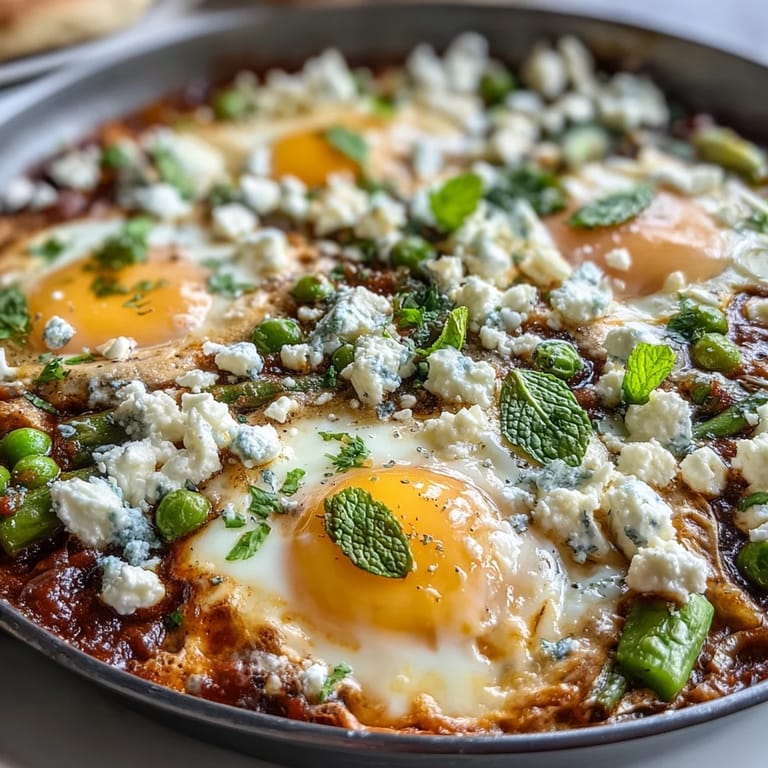
Save My kitchen filled with the smell of cumin and smoked paprika on a Tuesday afternoon when a friend texted that she was bringing her new partner over for dinner. I wanted something that felt both impressive and honest, something that said I know what I'm doing without trying too hard. That's when I remembered shakshuka, but I wanted it green and spring-like, bursting with tender peas and broad beans instead of the usual tomato-heavy versions I'd made before. The eggs poaching in that aromatic sauce felt like the perfect flourish, something that makes people lean in closer to the table.
That dinner ended up being one of those nights where everyone lingered at the table long after the food was gone, soaking bread into the last of the sauce and talking over each other about nothing important. My friend's partner asked for the recipe before they left, and I realized that shakshuka has this quiet power to make an ordinary weeknight feel like an occasion. Since then, I've made it countless times, each version slightly different depending on what's in the garden or the market that day.
Ingredients
- Olive oil: One tablespoon is your foundation, warming everything gently so the onions release their sweetness without burning.
- Medium onion, finely chopped: Don't skip the chopping step, as finely diced pieces dissolve into the sauce and distribute flavor evenly throughout.
- Garlic cloves, minced: Two cloves are enough to perfume the dish without overpowering the delicate vegetables.
- Red bell pepper, diced: The bright color stays vibrant even after cooking, and it adds natural sweetness that balances the spices.
- Asparagus: Cut into two centimeter pieces so they cook quickly and hold their tenderness, not that mushy texture that nobody wants.
- Fresh or frozen peas and broad beans: Either works beautifully, though fresh peas taste like spring itself if you can find them.
- Canned chopped tomatoes or passata: The backbone of your sauce, providing acidity and body that lets the spices sing.
- Tomato paste: Two tablespoons add depth and concentrate the tomato flavor without making the sauce thin.
- Ground cumin: One teaspoon warms the dish with an earthy note that makes people ask what that lovely spice is.
- Smoked paprika: This is what gives the sauce its soul, adding a subtle smokiness that feels almost like you've been cooking over a fire.
- Ground coriander: Half a teaspoon adds a gentle citrus note that lifts the whole dish.
- Chili flakes: Optional but recommended, as they add complexity even if you keep the heat subtle.
- Salt and black pepper: Layer these throughout cooking rather than adding all at once.
- Large eggs: Four to six depending on appetite, and they should be at room temperature so they cook gently.
- Fresh parsley or mint: Scattered on top at the end, these herbs add brightness and make the dish look like something from a magazine.
- Feta cheese, crumbled: Optional but wonderful, adding salty tang and creaminess to each spoonful.
- Lemon wedges: Essential for serving, as a squeeze of acid transforms the whole experience.
Tired of Takeout? 🥡
Get 10 meals you can make faster than delivery arrives. Seriously.
One email. No spam. Unsubscribe anytime.
Instructions
- Build your flavor base:
- Heat the olive oil in a large, deep skillet over medium heat and add your chopped onion. Watch it soften for four to five minutes, stirring occasionally, until it turns translucent and sweet-smelling. You'll know it's right when it's no longer raw-tasting but not yet brown.
- Add the aromatics:
- Stir in the minced garlic and diced red bell pepper, cooking for two to three minutes until they begin to soften. The kitchen will smell incredible at this point, and that's your signal that you're on the right track.
- Toast your spices:
- Add the cumin, smoked paprika, ground coriander, and chili flakes if using. Fry for just one minute, stirring constantly, until the spices become fragrant and a shade darker. This one minute transforms powdered spices into something alive and complex.
- Create the sauce:
- Stir in the tomato paste, cooking it with the spices for about one minute before adding your chopped tomatoes. Add a pinch of salt and pepper, then let it simmer uncovered for ten minutes, stirring occasionally, until the sauce thickens slightly and darkens in color.
- Add the vegetables:
- Add the trimmed asparagus, peas, and broad beans, stirring gently to distribute them evenly. Cover the pan and let everything cook for seven to eight minutes until the vegetables are just tender but still hold their shape.
- Create wells for the eggs:
- Using the back of your spoon, press gently into the sauce in four to six spots, creating little wells that are deep enough to hold an egg. These wells prevent the eggs from spreading across the surface and help them cook evenly.
- Poach the eggs:
- Crack each egg carefully into a well, then cover the pan and reduce the heat to low. Cook gently for five to seven minutes until the egg whites are set and opaque but the yolks remain runny and golden. This is the hardest part of patience, resisting the urge to peek too often.
- Finish and serve:
- Remove from heat and scatter fresh parsley or mint across the top, followed by crumbled feta if you're using it. Serve immediately with lemon wedges and crusty bread for soaking up every drop of sauce.
 Save
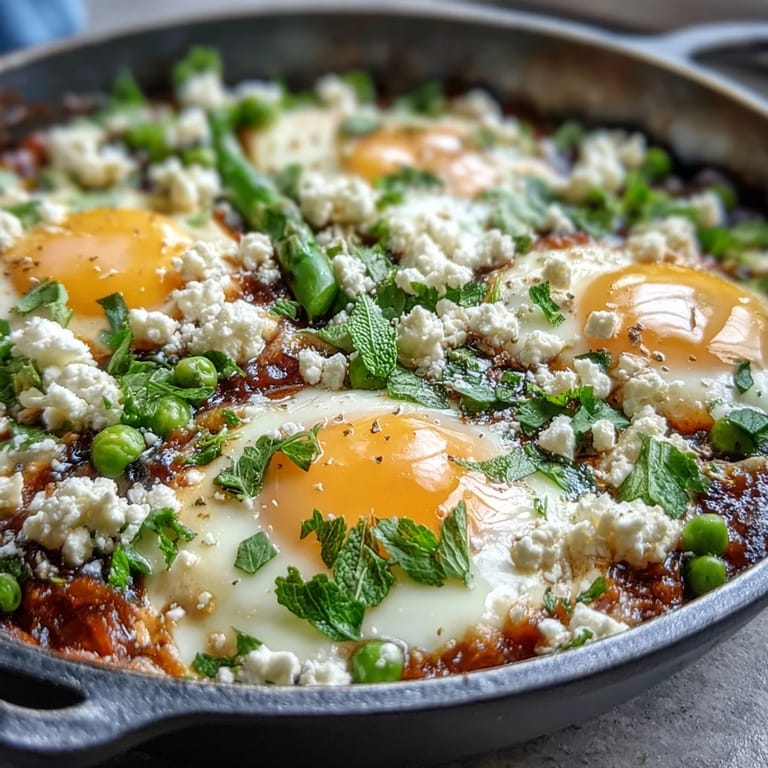
Save I made this dish on the first warm day of spring this year, when my partner and I threw open all the windows and ate at the counter because we couldn't be bothered with the table. There was something about the combination of tender green vegetables and those runny yolks that felt like the season itself was in the pan, and I thought about how food can mark time in a way that calendars never could. We scraped the pan clean without talking much, just listening to the sounds of the neighborhood waking up outside.
When Spring Vegetables Matter Most
This shakshuka is one of those dishes that tastes completely different depending on what season you make it in. In spring, when peas are at their peak and asparagus is snapping with freshness, the dish feels alive and bright. I've also made it in winter with frozen vegetables, and while it's still delicious and comforting, it lacks that specific energy that fresh spring produce brings. The color alone tells the story of the season, with those vibrant greens poking through the tomato sauce like the world coming back to life.
The Egg Question
People often ask me if they need to use the fancy eggs from the farmers market, and honestly, the best eggs you can find will make a difference but aren't absolutely essential. What matters more is that you cook them gently and time them carefully so the whites are set but the yolks still flow like liquid gold when you break into them. I've made this with ordinary eggs and with beautiful pastured ones, and the difference in flavor is noticeable but not dramatic enough to make you feel bad about whatever eggs you can get.
Customizing Your Shakshuka
The beauty of shakshuka is that it welcomes improvisation once you understand the basic technique of building a seasoned tomato sauce and then poaching eggs into it. I've added spinach, zucchini, and even mushrooms to this version depending on what needed using up. Some friends make it vegan by skipping the eggs entirely and adding chickpeas for protein, which works wonderfully if you lean into the cumin and coriander spices. The important thing is maintaining that balance of spice, acidity from the tomatoes, and the textural contrast between the tender vegetables and creamy eggs.
- For a vegan version, substitute eggs with drained canned chickpeas and add them with the other vegetables.
- If you want more heat, add a whole fresh chili sliced thin or double the chili flakes and stir them in with the spices.
- Make it heartier by serving with warm pita, flatbread, or sourdough for soaking up every precious drop of sauce.
 Save
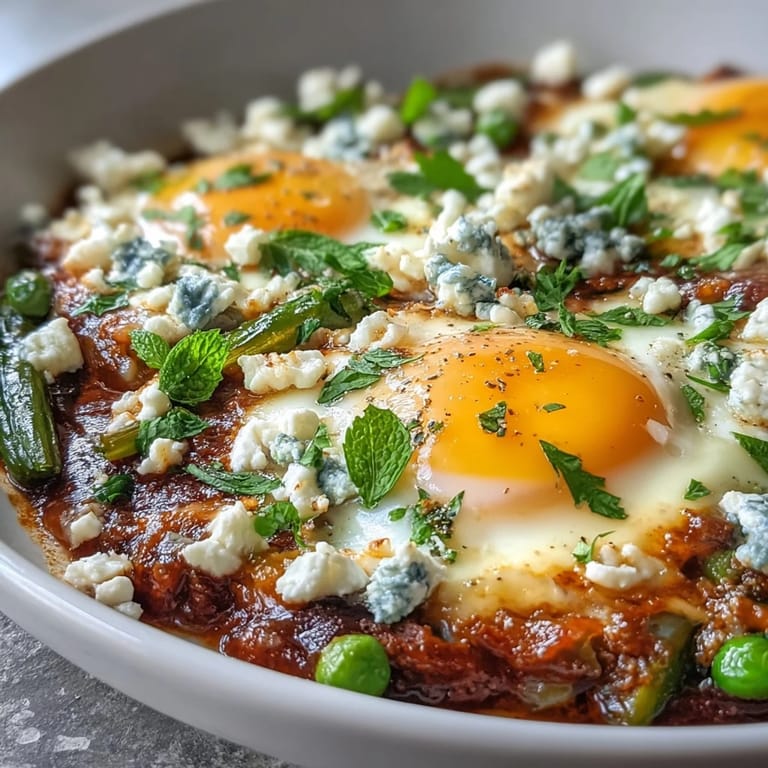
Save This dish has become my answer when someone asks what to cook but nothing feels quite right, and I've found that it never disappoints. There's something about serving shakshuka that makes people feel cared for, like you've put thought and attention into feeding them, even though it takes less than an hour from start to finish.
Recipe Questions & Answers
- → Can I use frozen vegetables instead of fresh?
Yes, frozen peas and broad beans work perfectly in this dish. Add them directly to the sauce without thawing—they'll cook through in the same time as fresh. Frozen broad beans may need an extra minute or two depending on their size.
- → How do I know when the eggs are done?
The whites should be completely opaque and set, while the yolks remain slightly jiggly when you gently shake the pan. This usually takes 5–7 minutes. For firmer yolks, cover for an additional 2–3 minutes.
- → Can I make this ahead?
Prepare the vegetable sauce up to a day in advance and refrigerate. When ready to serve, reheat gently until simmering, then make the wells and crack in the eggs. The base actually improves overnight as the flavors meld.
- → What can I substitute for feta?
Skip the feta entirely for a dairy-free version, or try crumbled goat cheese, halloumi, or torn mozzarella. For a vegan option, top with sliced avocado or a sprinkle of nutritional yeast for a savory, cheesy flavor.
- → Is this suitable for meal prep?
The vegetable base reheats beautifully, but the eggs are best cooked fresh. Store the sauce in an airtight container for up to 3 days. Reheat in a pan until bubbling, then crack in fresh eggs when ready to eat.
- → Can I add other vegetables?
Absolutely. Spinach, kale, or chopped zucchini work well added with the asparagus. Roasted red peppers or artichoke hearts can be stirred in for extra depth. Just keep in mind that adding too many vegetables may require a larger pan or cooking in batches.