 Save
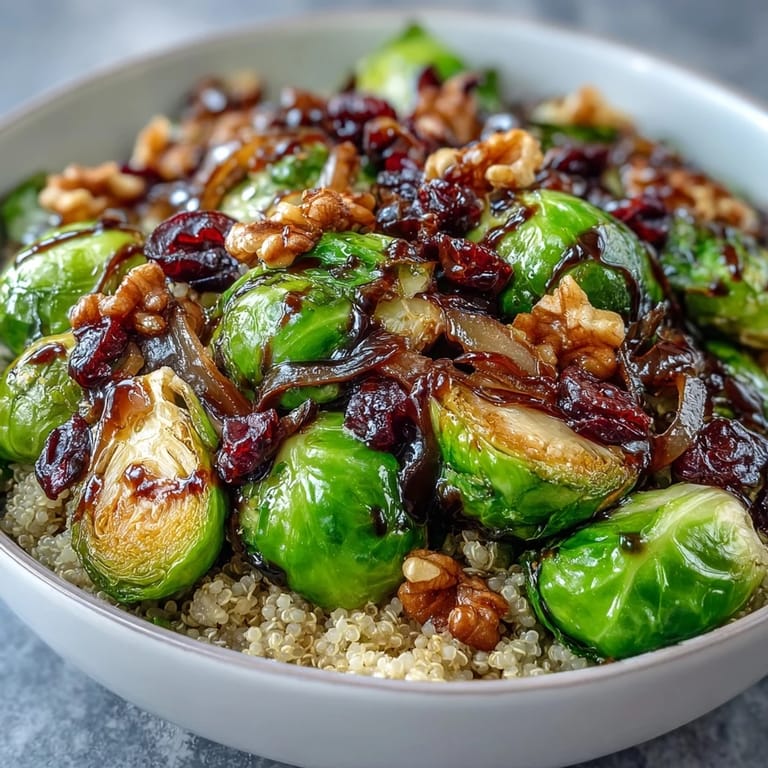
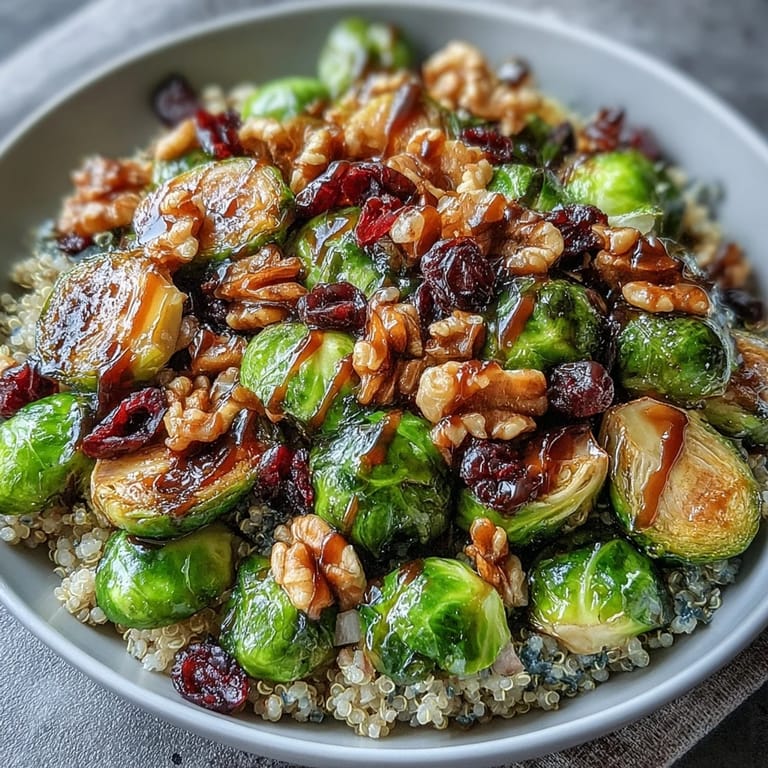
Save My kitchen smelled like caramelized Brussels sprouts for three days straight after I discovered this bowl, and I wasn't complaining one bit. It happened on a gray Tuesday afternoon when I had leftover quinoa and a bag of Brussels sprouts that needed rescuing from the back of my fridge. I threw them on a sheet pan with olive oil and forgot about them for twenty minutes, which turned out to be the best kind of accident because they came out golden and crispy, almost nutty. That's when I realized this simple combination could become something I'd actually crave.
Last fall I made this for my sister during a visit, and she kept coming back to the kitchen to pick at the roasted Brussels sprouts straight from the bowl while they were still warm. We ended up sitting on my back porch eating the whole thing while talking about everything we'd been avoiding discussing all year, and somehow the food made the conversation easier. It became our thing after that—whenever she visits, she texts me beforehand asking if I'll make the Brussels sprouts bowl.
Ingredients
- Brussels sprouts: One pound trimmed and halved is your baseline, but don't stress if you end up with slightly smaller or larger ones—they'll still caramelize beautifully as long as you cut them roughly the same size so they cook evenly.
- Red onion: The thin slices will turn sweet and jammy in the oven, which sounds strange until you taste it, and then you'll understand why they belong here.
- Olive oil: Use two tablespoons for the roasting, and don't skimp because it's what creates that golden-brown exterior you're after.
- Quinoa or brown rice: Either works, though quinoa cooks faster and adds a slight nuttiness that pairs perfectly with the balsamic.
- Balsamic vinegar: The tanginess cuts through the richness of the roasted vegetables like it was designed specifically for this moment.
- Maple syrup or honey: Just a tablespoon rounds out the dressing and balances the vinegar's sharp edge.
- Dijon mustard: A teaspoon might seem small, but it adds a subtle complexity that makes people ask what's in that dressing.
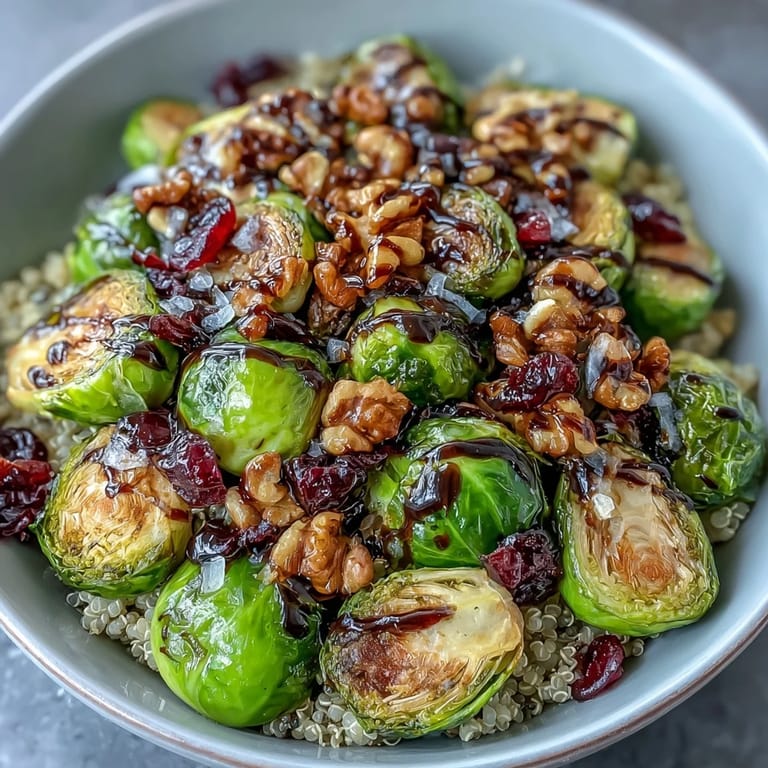
- Toasted walnuts or pecans: Optional but worth it for the crunch and the way they catch the light as you photograph your bowl.
- Dried cranberries and pumpkin seeds: These toppings are your chance to add color and texture, turning lunch into something that looks like it came from a farmers market café.
Tired of Takeout? 🥡
Get 10 meals you can make faster than delivery arrives. Seriously.
One email. No spam. Unsubscribe anytime.
Instructions
- Preheat your oven and prepare your workspace:
- Turn your oven to 425 degrees Fahrenheit and line a baking sheet with parchment paper because you want to avoid scrubbing caramelized bits off your pan later. This is the moment everything else happens around.
- Dress and spread the vegetables:
- Toss your halved Brussels sprouts and sliced red onion with two tablespoons of olive oil, salt, and pepper in a large bowl until everything glistens, then spread them in a single layer on your prepared sheet. The one stirring halfway through matters more than you'd think—it's what ensures the flat sides get golden instead of just the tops.
- Roast until caramelization happens:
- Let them sit in the oven for 25 to 30 minutes, watching for the moment they turn deep golden brown at the edges. You'll know they're ready when the smell hits you like a wave and you can't resist opening the oven door to peek.
- Cook your grains while vegetables roast:
- Rinse your quinoa or rice thoroughly, then combine it with two cups of water or vegetable broth in a saucepan, bring it to a boil, and reduce the heat to low. Cover and let it simmer for 15 to 20 minutes until tender and all the liquid is absorbed, then fluff it gently with a fork like you're waking it up.
- Whisk together the dressing:
- In a small bowl, combine balsamic vinegar, extra-virgin olive oil, maple syrup, Dijon mustard, salt, and pepper, whisking until everything emulsifies into something that coats the back of a spoon. This takes less than a minute and tastes infinitely better than bottled versions.
- Assemble your bowls:
- Divide the cooked grains among four bowls, then top each one with the roasted Brussels sprouts and caramelized onions. Drizzle generously with the balsamic dressing while everything is still warm.
- Add your toppings and serve:
- Scatter toasted walnuts, dried cranberries, and pumpkin seeds over each bowl if you're using them. Serve immediately while the warmth of the grains still mingles with the crispy vegetables.
 Save
Save There was something quietly powerful about watching my usually picky nephew eat this bowl without complaint, then ask for seconds and thirds until the pot was genuinely empty. He was going through a phase where he rejected most vegetables with the intensity of someone on a mission, but the caramelization on these Brussels sprouts somehow spoke a different language to his palate.
Why Caramelization Changes Everything
The magic in this bowl hinges entirely on what happens when Brussels sprouts hit high heat and time. The exterior sugars caramelize into something almost candy-like, while the insides stay creamy and tender, creating this textural contrast that keeps your fork coming back. I learned this the hard way after years of steaming them into sad submission, and it fundamentally changed how I cook vegetables now.
Room Temperature Doesn't Mean Less Delicious
One of my favorite things about this bowl is how it transforms after sitting out for a few hours. The dressing gets absorbed into the grains, the vegetables firm up slightly as they cool, and somehow it tastes more intentional, like the flavors have had time to get acquainted. I pack this for lunches and intentionally don't reheat it, which might sound weird until you try it and realize room temperature is exactly how it should be eaten sometimes.
Building Your Own Version
This bowl has a skeleton that stays the same but infinite variations depending on what's in your kitchen and what your mood requires. I've made it with farro instead of quinoa on weeks when I want something with more chew, added crispy chickpeas when I needed extra protein, and scattered different nuts depending on what I had open in my pantry. The balsamic dressing is sturdy enough to carry all these changes without losing its character, which is why this bowl has stayed in regular rotation for years.
- Roasted sweet potatoes or carrots add sweetness and color without changing the fundamental equation.
- Crumbled feta or a dollop of tahini transforms this from simple to slightly more decadent depending on your appetite.
- Don't be afraid to experiment because the roasted Brussels sprouts and warm grains are forgiving enough to support whatever toppings call to you.
 Save
Save This bowl taught me that the simplest recipes often taste best because there's nowhere to hide, and every ingredient has to pull its weight. It's become the kind of meal I make when I want to feel like I'm taking care of myself without actually trying hard.
Recipe Questions & Answers
- → What grains can I use in this bowl?
Quinoa or brown rice are excellent choices, but farro, bulgur, or couscous can also be used for variety.
- → How do I achieve caramelized Brussels sprouts?
Roast halved Brussels sprouts at 425°F until golden and tender, stirring halfway through for even caramelization.
- → Can I customize the toppings?
Yes, toasted walnuts or pecans, dried cranberries, and pumpkin seeds add delightful texture and flavor.
- → Is this suitable for a vegan diet?
Using maple syrup instead of honey makes this dish fully vegan and dairy-free.
- → How can I add more protein to this meal?
Try incorporating chickpeas, grilled tofu, or feta cheese to boost protein content.