 Save
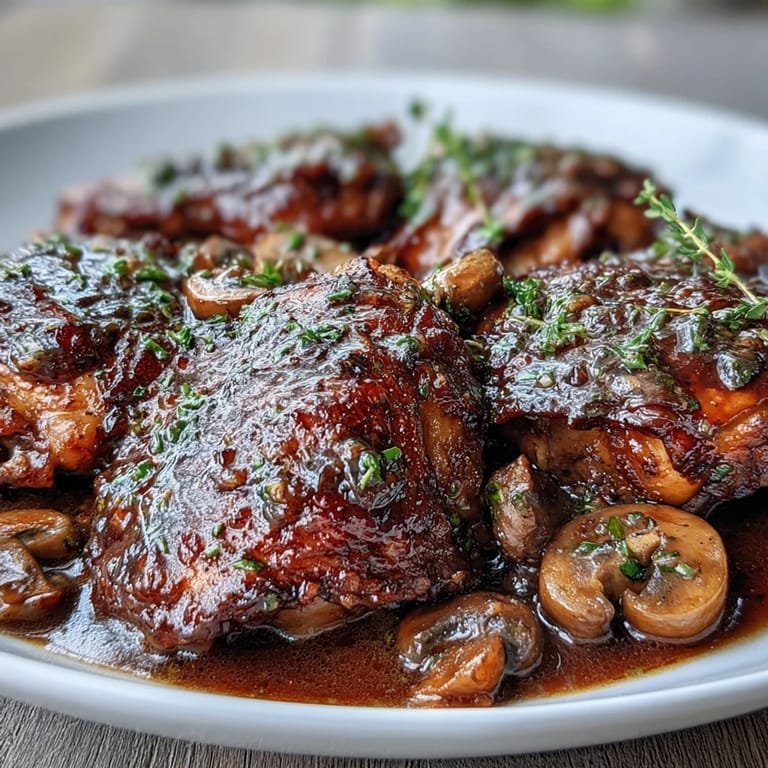
Save My neighbor once brought me a bottle of rosé she didn't know what to do with, and I thought of coq au vin but lighter, less heavy for a spring dinner. The kitchen filled with a floral, fruity steam as the wine reduced, nothing like the deep red version I grew up with. I served it to friends who expected something rustic and got something almost delicate instead. They scraped their plates clean and asked for the recipe before dessert even arrived. That's when I knew this version had earned its place at my table.
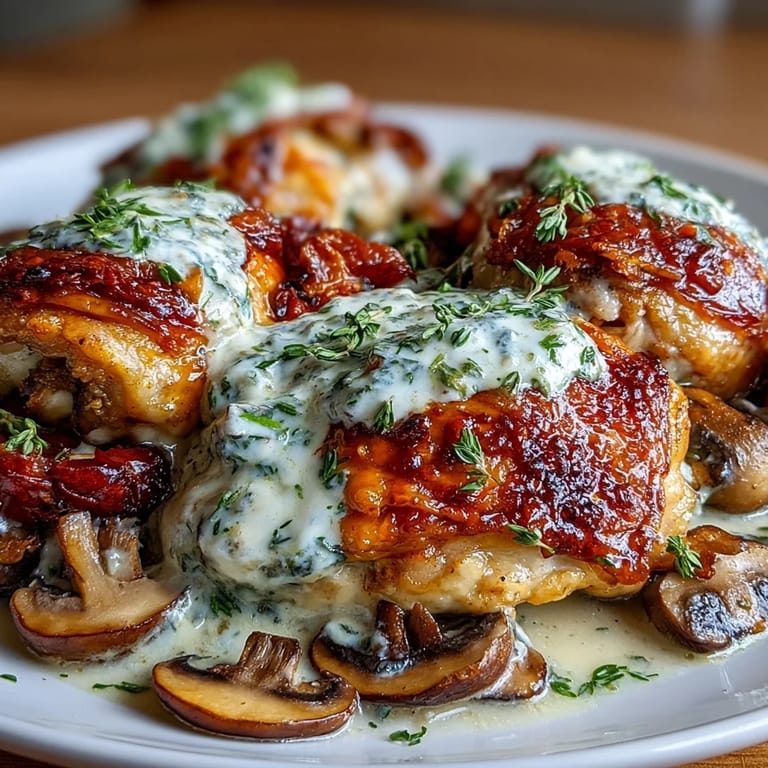
I made this for my sister's birthday once, thinking it would impress her foodie husband. Halfway through cooking, I panicked because the sauce looked thin and pale, nothing like the glossy magazine photos. But when I stirred in the cream at the end and let it simmer, everything transformed into this gorgeous blush colored glaze. He went quiet for three bites, then declared it restaurant quality, which from him was the highest praise. I've been confident with it ever since.
Ingredients
- Bone in, skin on chicken pieces: Thighs and drumsticks stay juiciest during the long braise, and the bones add body to the sauce you just can't get from breasts.
- Dry rosé wine: Choose something you'd actually drink, nothing too sweet or it will taste cloying after reduction, a Provence style works beautifully.
- Olive oil: Use this for browning because butter would burn at the high heat needed to get a good sear on the chicken skin.
- Onion, garlic, carrots: The aromatic base that sweetens as it cooks and gives the sauce its backbone.
- Cremini or button mushrooms: Quartered mushrooms hold their shape and soak up all that winey, creamy goodness without turning to mush.
- Leek: Adds a mild oniony sweetness that feels more refined than using all yellow onion.
- Tomato paste: Just two tablespoons deepen the color and add a subtle umami richness.
- All purpose flour: Optional but helpful if you like a thicker sauce, I skip it sometimes and just reduce longer.
- Heavy cream: This is what makes the dish luxurious and rounds out the wine's sharpness.
- Bay leaf, thyme, rosemary: Classic French herbs that perfume the braise, remove them before serving or they overpower.
- Fresh parsley: A handful of green at the end makes everything look alive and taste fresher.
Tired of Takeout? 🥡
Get 10 meals you can make faster than delivery arrives. Seriously.
One email. No spam. Unsubscribe anytime.
Instructions
- Season and dry the chicken:
- Pat each piece completely dry with paper towels so the skin crisps instead of steams. Season generously with salt and pepper on both sides.
- Brown the chicken in batches:
- Don't crowd the pot or the temperature drops and you'll end up with pale, rubbery skin instead of golden crispy bits. Let each piece sit undisturbed for a few minutes before flipping.
- Sauté the vegetables:
- Use the same pot with all that flavorful chicken fat still clinging to the bottom. The onions, carrots, and leek should soften and start to caramelize just slightly at the edges.
- Add mushrooms and aromatics:
- Mushrooms release moisture, so give them a few minutes to shrink and brown before adding garlic. Garlic burns fast, so stir constantly for that one minute.
- Stir in tomato paste and flour:
- Let the tomato paste cook until it darkens a shade, this takes away the raw metallic taste. If using flour, coat the vegetables evenly so the sauce thickens without lumps.
- Deglaze with rosé:
- Pour in the wine and scrape up every brown bit stuck to the pot, that's pure flavor. Nestle the chicken back in, skin side up if possible, and tuck in the bay leaf and herb sprigs.
- Simmer covered:
- Keep the heat low and gentle, you want barely bubbling, not a rolling boil. Forty five minutes and the chicken will be fall off the bone tender.
- Finish with cream:
- Fish out the woody herbs, then stir in cream and let it simmer uncovered until the sauce clings to a spoon. Taste and adjust salt and pepper, the wine reduces and concentrates so it might need less salt than you think.
- Garnish and serve:
- Scatter fresh parsley over the top right before bringing it to the table. Serve with something to soak up the sauce, crusty bread or buttery potatoes are my favorites.
 Save
Save One evening I served this to my mom, who made the original coq au vin for special occasions when I was a kid. She took a bite, tilted her head, and said it reminded her of springtime in a way the red wine version never did. We ended up talking about how recipes can shift and still honor where they came from. That night it stopped being just a recipe and became a little piece of our shared history, rewritten in a lighter shade.
What to Serve Alongside
I almost always reach for buttery mashed potatoes or small golden potatoes tossed in butter and chives, they catch the sauce perfectly without competing. A simple green salad with a tart vinaigrette cuts through the richness, and crusty bread is non negotiable for mopping up every last drop. Rice works too if you want something more neutral, but honestly the bread is the move. Once I served it with roasted asparagus and everyone fought over the spears that had soaked in the creamy pan drippings.
How to Store and Reheat
Let the dish cool completely before transferring to an airtight container, it keeps in the fridge for up to three days and tastes even better after the flavors marry overnight. Reheat gently on the stovetop over low heat, adding a splash of cream or chicken stock if the sauce has thickened too much. I don't recommend freezing because the cream can separate and turn grainy when thawed, but if you must, freeze before adding the cream and stir it in fresh after reheating. Microwave reheating works in a pinch but the skin loses its texture, stovetop is always worth the extra few minutes.
Variations and Swaps
If you want a boozier kick, add a generous splash of cognac or brandy right after browning the chicken and let it flame off before adding the wine. Swap half the rosé for chicken stock if the wine flavor feels too strong for your crowd, it tones it down without losing complexity. For a lighter version, use half and half or crème fraîche instead of heavy cream, the sauce will be thinner but still velvety. I've also made this with bone in chicken breasts when thighs weren't available, just reduce the cooking time to thirty minutes so they don't dry out.
- Try adding pearl onions in the last twenty minutes for a more traditional coq au vin look and sweetness.
- A teaspoon of Dijon mustard stirred in with the cream adds a subtle sharpness that's really lovely.
- Fresh tarragon instead of rosemary gives it a more delicate, anise like note that pairs beautifully with rosé.
 Save
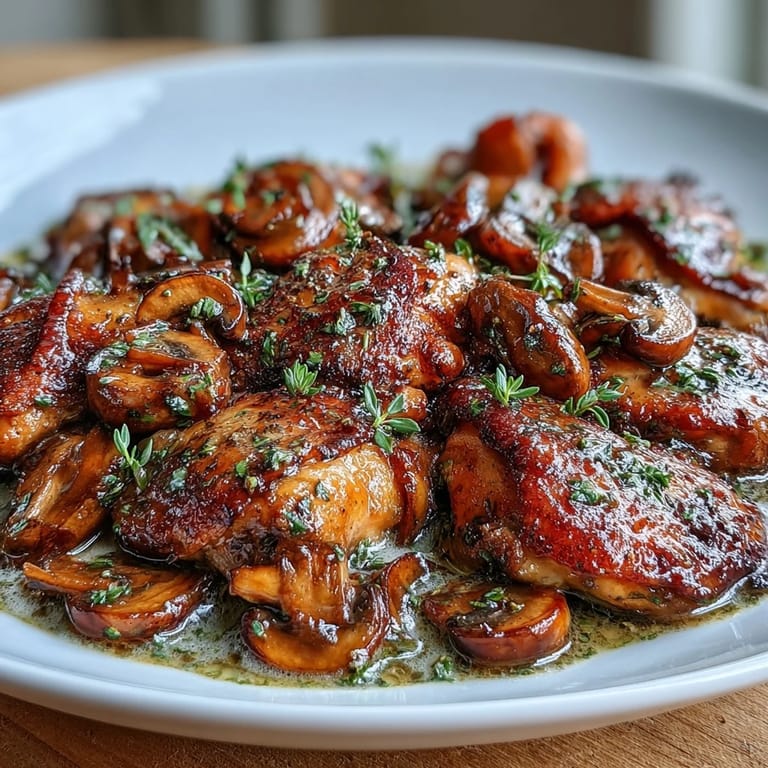
Save This dish has a way of turning a regular Wednesday into something that feels like an occasion, no special reason needed. I hope it becomes one of those recipes you reach for when you want to feel like you're taking care of someone, including yourself.
Recipe Questions & Answers
- → Can I use chicken breasts instead of thighs and drumsticks?
Yes, but bone-in, skin-on thighs and drumsticks are recommended because they stay moist and tender during the long braising process. If using breasts, reduce cooking time to prevent drying out.
- → What type of rosé wine works best for this dish?
Use a dry rosé wine with good acidity. Avoid sweet or overly fruity rosés. A Provence-style rosé or a dry Spanish rosado works wonderfully for braising.
- → Can I make this dish ahead of time?
Absolutely. This dish actually tastes better the next day as flavors meld. Prepare through step 8, cool completely, refrigerate, and gently reheat before serving. Add cream during reheating if you prefer.
- → How do I thicken the sauce if it's too thin?
Simmer the sauce uncovered for a few extra minutes to reduce it. Alternatively, mix 1 tablespoon of flour with 2 tablespoons of water to make a slurry and stir it into the simmering sauce.
- → What can I serve with Coq au Vin Rosé?
Traditional accompaniments include buttered potatoes, mashed potatoes, crusty French bread, egg noodles, or rice. A simple green salad or roasted vegetables also pair beautifully.
- → Can I make this without cream?
Yes, you can omit the cream for a lighter version, or substitute with crème fraîche, half-and-half, or full-fat coconut cream for a dairy-free alternative.