 Save
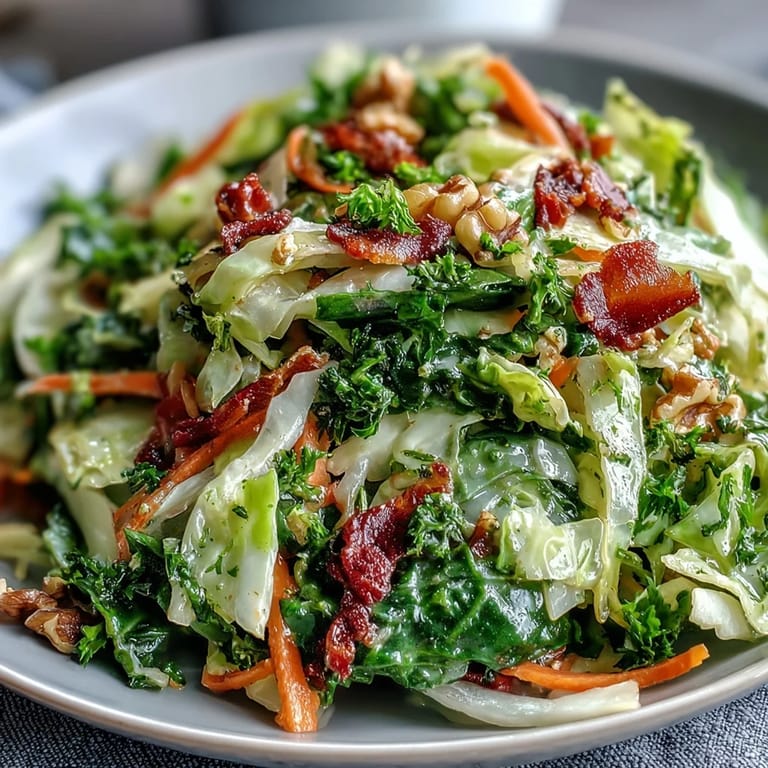
Save There's something about a warm cabbage salad that catches you off guard in the best way—especially when you're standing in the kitchen on an ordinary Tuesday, the pan sizzling with golden-edged cabbage that smells almost sweet. I'd always thought cabbage needed to be raw and crunchy to matter, but watching those tender ribbons soften in the skillet while keeping their vibrant color made me rethink everything. The combination of warm sautéed vegetables tossed with a tangy dressing creates this perfect balance that feels both comforting and fresh. It became my go-to when I wanted something that felt special without the fuss.
I made this for a potluck once where everyone brought heavy casseroles, and somehow this warm cabbage salad became the dish people kept going back to. My friend Sarah asked for the recipe right there by the serving spoon, which felt like the highest compliment—no fancy plating needed, just honest vegetables and a dressing that made her want seconds. That moment taught me that simple, well-made food speaks louder than anything pretentious ever could.
Ingredients
- Green cabbage (1 medium, about 900 g): The star that transforms when sautéed—look for dense, heavy heads with bright color, and slice it thin so it cooks quickly and evenly.
- Carrot (1 large): Julienning takes an extra minute but gives you those lovely thin matchsticks that catch the heat and soften just enough to be tender without turning mushy.
- Red onion (1 small): Raw onion's sharpness softens when it sits in warm vegetables and tangy dressing, becoming almost mellow.
- Red bell pepper (1): The sweetness balances the vinegar and mustard, plus the color makes this salad look alive on the plate.
- Fresh parsley (2 tbsp): Adds brightness at the end—always chop it fresh, as dried parsley tastes like straw compared to the real thing.
- Extra-virgin olive oil (3 tbsp plus 1 tbsp for sautéing): The good stuff matters here since the oil carries so much flavor; don't skip quality on this one.
- Apple cider vinegar (2 tbsp): The gentle acidity rounds out the salad without overpowering, and it emulsifies beautifully with the mustard.
- Dijon mustard (1 tbsp): This does double duty as flavor and emulsifier, keeping the dressing smooth and preventing separation.
- Honey or maple syrup (1 tsp): A touch of sweetness bridges the gap between the bitter cabbage and sharp vinegar, making everything taste complete.
- Sea salt and black pepper (1/2 tsp and 1/4 tsp): Season generously—warm vegetables absorb seasoning differently than cold ones, so taste as you go.
Tired of Takeout? 🥡
Get 10 meals you can make faster than delivery arrives. Seriously.
One email. No spam. Unsubscribe anytime.
Instructions
- Heat your skillet and sauté the cabbage:
- Get your large skillet hot over medium-high heat, add one tablespoon of olive oil, then add your thinly sliced cabbage and let it sit for a minute before stirring—this helps it develop golden edges. Keep stirring frequently for 4 to 5 minutes; you want tender leaves that are still vibrant green, not soft and faded.
- Transfer to your mixing bowl:
- While the cabbage is still warm, move it to your large mixing bowl where you can toss in the other vegetables. The warmth matters because it helps everything absorb the dressing that's coming next.
- Add the raw vegetables:
- Toss in your julienned carrot, sliced red onion, bell pepper, and fresh parsley while the cabbage is still warm. The contrast between warm cabbage and fresh, crisp vegetables is exactly what makes this salad special.
- Make the dressing:
- In a small bowl, whisk together the remaining olive oil, apple cider vinegar, Dijon mustard, honey, salt, and pepper until it looks creamy and emulsified. This takes about 30 seconds of whisking, and you'll see the mixture transform from separated to silky.
- Dress and toss:
- Pour the dressing over all the vegetables and toss everything together until every piece glistens with dressing. Don't be shy—this salad can handle vigorous tossing without falling apart.
- Let it rest:
- Give it 5 minutes to sit so the flavors meld and the warm vegetables can absorb the tangy dressing. This resting period is non-negotiable; it's where the magic actually happens.
- Top and serve:
- Add your toasted walnuts or sunflower seeds and crumbled feta if you're using them, then serve warm or at room temperature. Warm is my preference, but it's delicious either way.
 Save
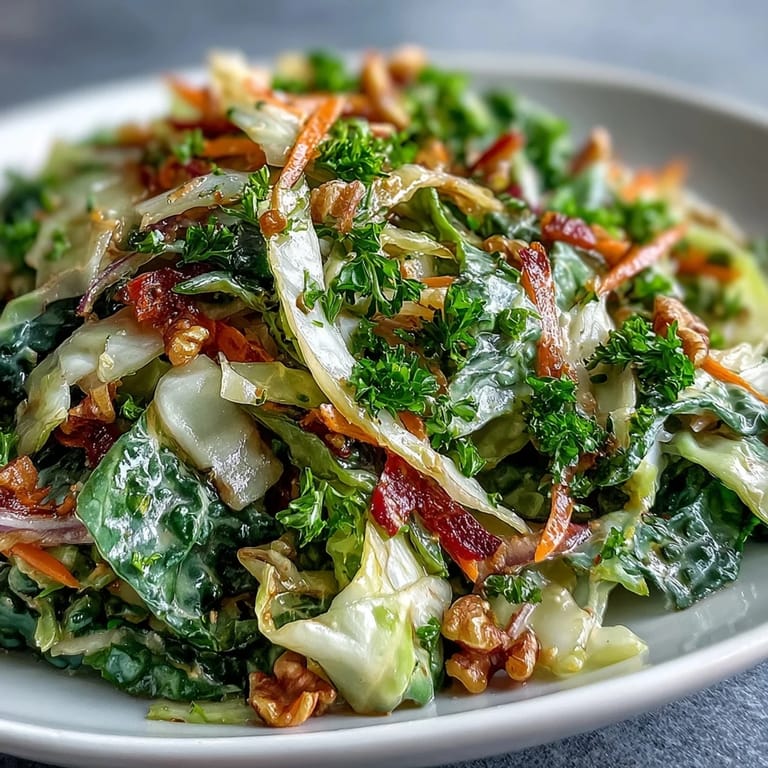
Save There was an evening when I made this salad for myself after a long day, nothing fancy planned, just dinner. But sitting there with that warm, tangy cabbage salad made me slow down and actually taste what I was eating instead of just getting through it. Small moments like that remind me why cooking for yourself matters just as much as cooking for others.
The Warmth Factor
Warm salads occupy a strange space in cooking—they're salads, so they feel light, but they're warm, so they feel nourishing. The sautéed cabbage stays tender without becoming mushy because you're only cooking it for a few minutes, just enough to soften the fibers and deepen the flavor. It's the kind of thing that makes you realize not every salad needs to be ice-cold to be refreshing.
Building Layers of Flavor
What makes this salad work is how each ingredient has a job. The Dijon mustard isn't just flavor—it's the glue that emulsifies the oil and vinegar so they become one silky dressing instead of separating into layers. The honey isn't sweetness for sweetness's sake; it's the bridge between the sharp vinegar and the earthiness of the cabbage. Understanding why you're using each ingredient changes how you cook it.
Endless Variations and Serving Ideas
This salad is forgiving in the best way, letting you swap vegetables based on what's in your crisper drawer or what looks good at the market that day. I've added shredded apples for extra sweetness and thin radish slices for a peppery crunch. It pairs beautifully with grilled chicken, roasted salmon, or even crispy tofu if you're leaning vegetarian, and because it keeps well for up to two days, it makes excellent lunch box material.
- Try adding shredded apples, thinly sliced radishes, or even pomegranate seeds for texture and brightness.
- Make it vegan by using maple syrup instead of honey and leaving off the feta—it loses nothing in the translation.
- Serve it warm for a comforting side dish or let it cool to room temperature for something that feels more salad-like.
 Save
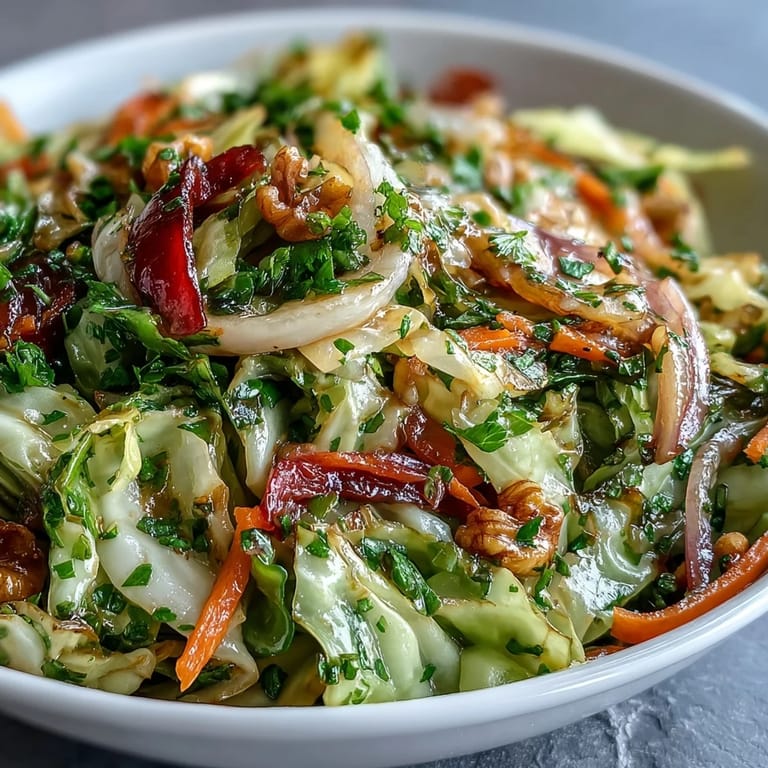
Save This warm cabbage salad taught me that the vegetables we overlook often deserve more attention than we give them. It's become my reminder that simple cooking, done with intention and respect for each ingredient, never feels boring.
Recipe Questions & Answers
- → Can I serve this cabbage dish cold?
Yes, this dish works beautifully at room temperature or chilled. The flavors actually develop more depth after resting in the refrigerator for a few hours.
- → What vegetables can I substitute?
Feel free to add shredded Brussels sprouts, kale, or thinly sliced radishes. The base of sautéed cabbage works well with most sturdy vegetables that hold up to light cooking.
- → How long does this keep in the refrigerator?
This dish stores well for up to 2 days in an airtight container. For best flavor and texture, bring to room temperature before serving.
- → Can I make the dressing ahead?
Absolutely. Whisk the dressing together up to 3 days in advance and store it in a sealed container. Give it a quick stir before pouring over the vegetables.
- → What proteins pair well with this?
Grilled chicken, roasted salmon, or pan-seared tofu complement the tangy flavors beautifully. The fresh, vibrant profile also works alongside hearty grain bowls.
- → Is this suitable for meal prep?
Perfect for meal prep. The sturdy vegetables hold their texture well, and the dressing prevents oxidation. Portion into containers for easy lunches throughout the week.